Why “Any Car” Isn’t Good Enough for Your Business Clients
Sending “any car” for your clients might feel convenient in the moment, but it quietly sends a message you don’t want associated with your business: “any standard is fine.” The vehicle and driver you choose become part of your brand experience, long before the meeting or deal begins.
Transport as a Brand Signal
Every touchpoint shapes how clients see you. Your office, your website, your emails, and yes, the car that arrives to pick them up. When a client steps into a vehicle you arranged, they assume it reflects your standards.
If the car feels cheap, messy, or disorganized, it clashes with any claim that you are professional, premium, or detail-oriented. If the car feels thoughtful and well-chosen, it quietly confirms that your brand can be trusted. This is why many companies partner with premium transportation services in Philadelphia to ensure consistent quality.
First Impressions Start at the Curb
Clients don’t wait until they’re in your boardroom to form opinions. The moment they walk out of an airport or hotel and see the car and driver, they start judging.
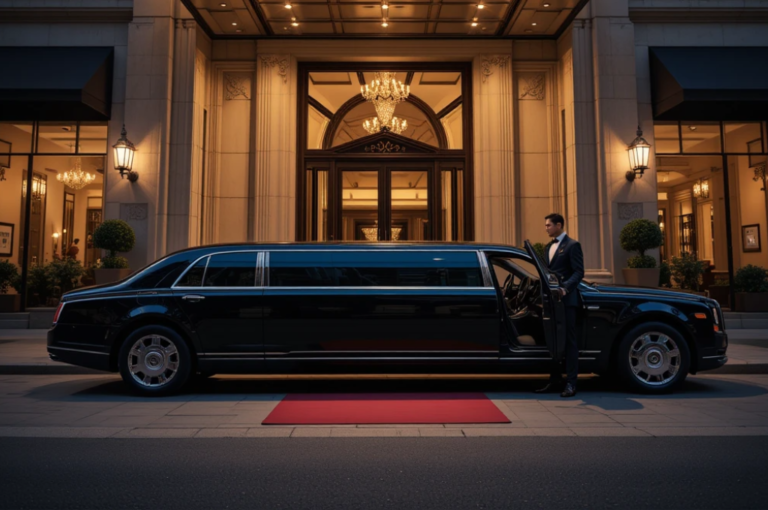
What type of car is it? Small, executive, luxury, SUV? Is it clean, modern, and well-maintained, or old, dented, and dusty? Does the driver look professional, dressed well, standing ready, holding a clear sign?
Sending a random, low-quality car with a casual driver can instantly undercut all the work you put into your pitch deck and branding. On the other hand, a clean, suitable car with a polite driver sets the tone: “These people are organized. They were expecting me. They respect my time.”
Comfort and Reliability Shape the Meeting
The ride isn’t just about getting from A to B. It directly affects how your client feels when they arrive.
A poor choice of car can mean cramped seating, bad smells, or broken air conditioning. Bumpy driving, loud music, or constant phone use by the driver. Getting lost, stuck in obvious traffic, or arriving late and stressed.
That client then walks into your meeting tired, irritated, or apologizing for delays that weren’t their fault but will still be associated with you.
By contrast, when you use airport chauffeur services in Philadelphia with a well-chosen, comfortable car and professional driver, your client arrives on time, without rushing. More relaxed after a calm, quiet ride. Feeling taken care of and important.
This mental state makes conversations smoother, decisions easier, and the overall experience more positive.
Safety and Professionalism: Quiet but Powerful
Most clients won’t directly ask, “Is this driver safe?” But they will feel it. An unknown, unvetted driver can create silent worry. Aggressive lane changes, speeding, or distracted driving. Inappropriate conversation or behavior. Confusion about routes, hotels, or meeting locations.
A professional chauffeur, on the other hand, drives smoothly and defensively. Respects personal space and privacy. Knows the local area, major hotels, and business districts.
Even if your client never mentions safety, feeling secure in the car builds trust in you. It suggests that you think about their wellbeing, not just your own convenience.
The Hidden Cost of “Cheap and Random” Cars
Choosing the cheapest or most random option might save a little on a single invoice, but it can quietly cost you far more over time.
A delayed or missing driver can make your client late to your own meeting. A bad experience on the way from the airport can color their mood for the entire visit. They may choose not to return, not to expand the contract, or not to recommend you to others.
You’ll rarely see a line item saying “lost client due to bad airport pickup,” but these effects are real. Transport is part of your reputation, and reputation is hard to repair once damaged.
Matching the Car to the Client and Occasion
The solution isn’t always “send the most expensive car.” It’s to send the right car for the situation.
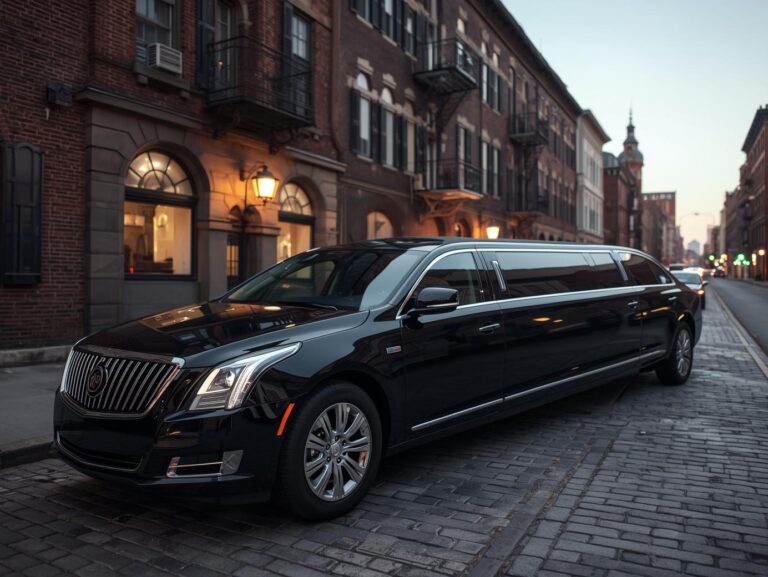
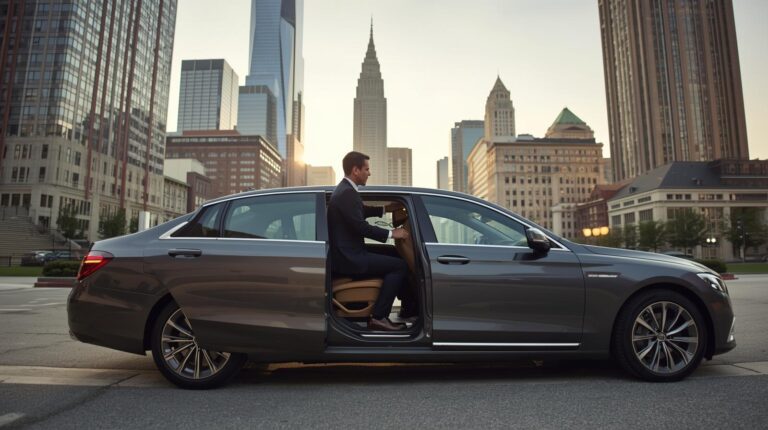
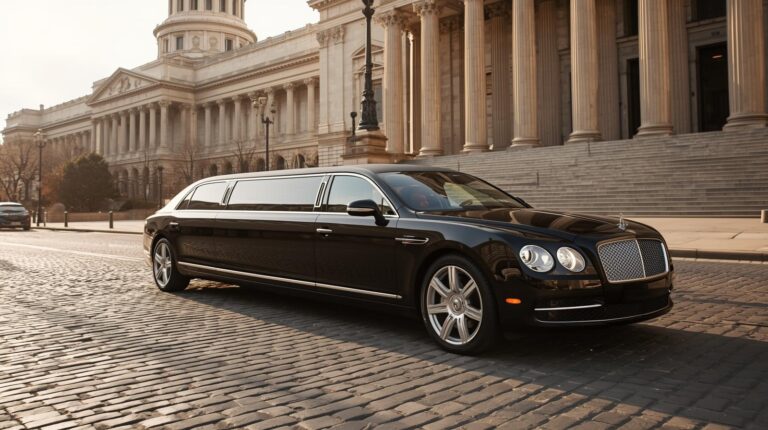
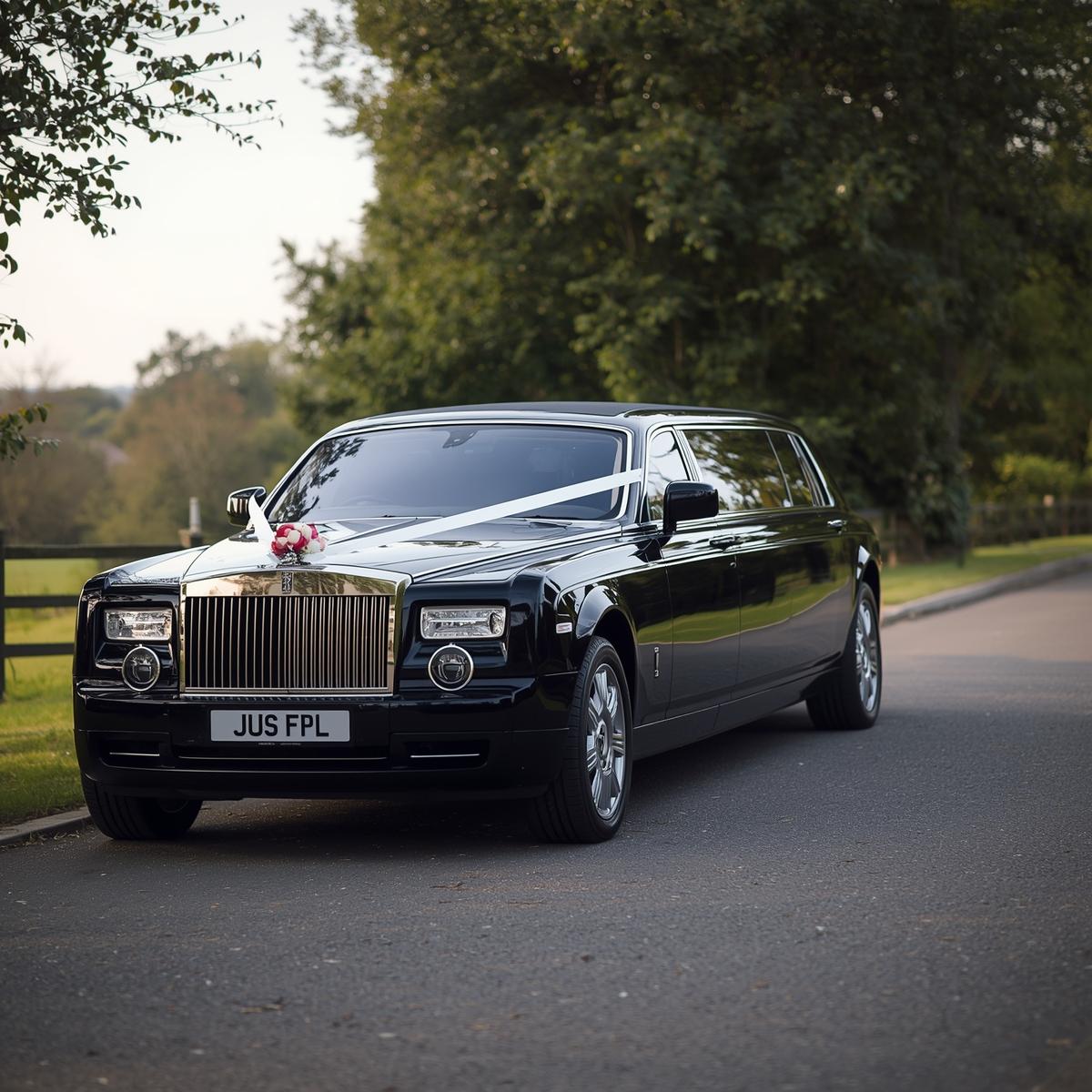
For a standard business meeting, a clean, executive sedan (business-class style) that looks professional without being showy. For a VIP or senior executive, a high-end sedan or premium SUV that clearly reflects their status and your respect.
For a group of visitors or a team, a spacious van or larger SUV that keeps everyone comfortable with luggage. For an eco-minded or tech-focused client, a hybrid or electric vehicle that aligns with their values and image.
When the vehicle matches the person and purpose, clients feel understood. It tells them you didn’t just tick a box. You thought about them.
Working with a Trusted Chauffeur Partner
To avoid the “any car” trap, it helps to build a relationship with one or a small number of reliable transport providers. With a consistent partner, you can agree on minimum standards for cars and drivers. Set simple rules (e.g., which car class for which type of client). Save preferences for regular visitors (quiet ride, water, preferred pickup points). Rely on better backup if anything goes wrong.
Inside your company, you can create quick guidelines so staff know what to book. Client tier A gets a luxury sedan or SUV. Client tier B gets an executive sedan. Internal staff only get a standard but clean and comfortable car.
This makes “doing the right thing” easy and repeatable.
Turning Rides into Relationship Moments
Every ride is a small opportunity to deepen the relationship. A friendly greeting and help with bags at the pickup point. A smooth, quiet journey where the client can relax or work. A polite farewell at the door, with no awkward payment discussion if you’ve arranged it in advance.
These details might seem small, but they’re memorable. Long after they forget the exact numbers in your slide deck, clients will remember how you made their trip feel.
Stop Treating Cars as an Afterthought
In business, details speak. When you send “any car,” you silently say “any standard is good enough for you.” That’s not the message most companies want to send to valuable clients.
By being intentional about the vehicles and drivers you choose, you make sure every arrival supports your image instead of quietly damaging it. The next time you arrange transport for a client, ask yourself: Does this car represent the way I want my business to be seen? If the answer is no, it’s time to raise the standard.