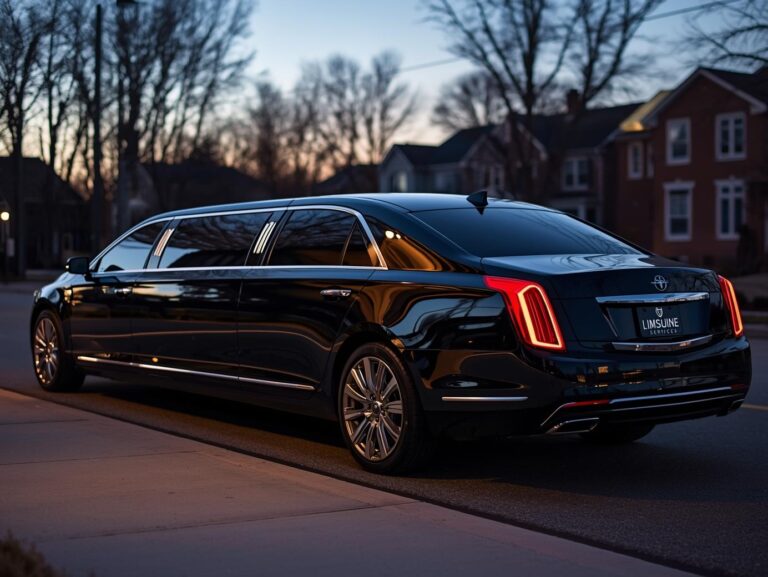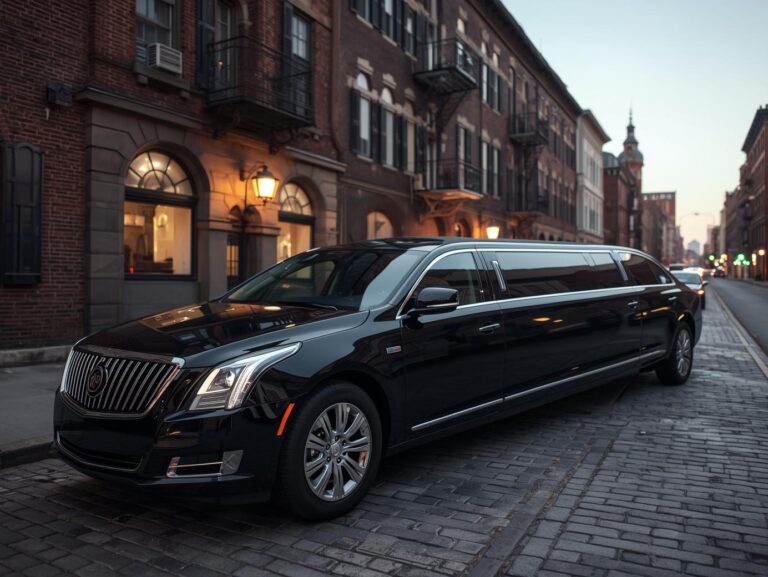
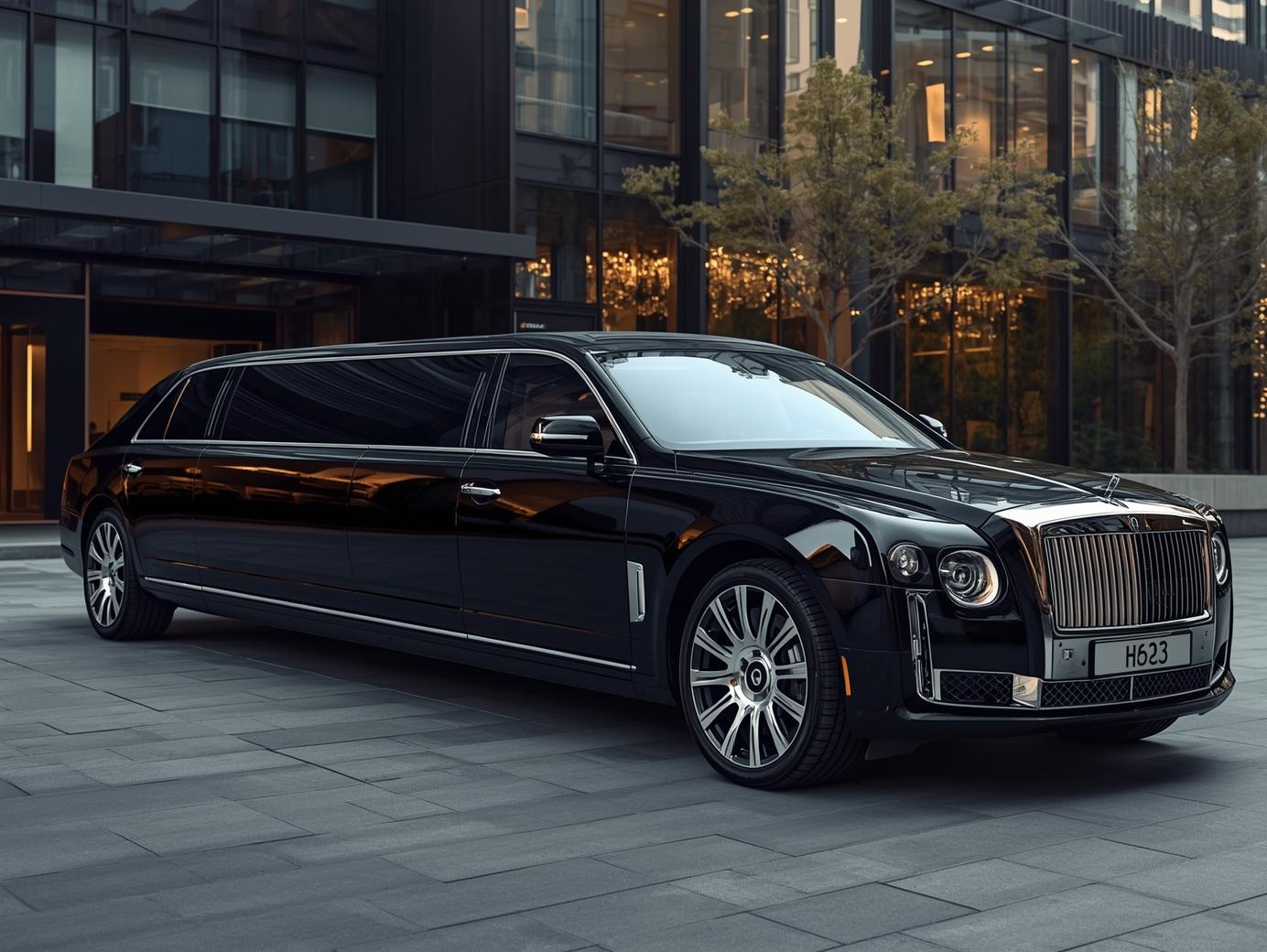
Your Safety First: Essential Questions to Ask Before Getting Into Any Private Car
Your safety is worth more than any convenient ride. Before you sit in any private car, whether it’s a chauffeur service, ride-hailing app, or “a friend of a friend” offering a lift, asking a few simple questions can dramatically reduce your risk and give you more control over your journey.
Why Asking Questions Matters
When you get into a private car, you’re trusting a stranger with your personal safety, your belongings, and sometimes sensitive information. Many people skip basic checks because they feel shy or rushed, but professional drivers and reputable services won’t be offended if you ask safety questions. They’ll respect you for it. Treat these questions as a small safety ritual, just like locking your front door.
Question 1: “Are You a Registered and Licensed Service?”
Your first concern should be whether the driver and vehicle are legitimately allowed to carry passengers. For formal bookings, this usually means the driver can clearly state the company name or platform you booked through. The car’s license plate and model should match what you were given in your booking confirmation or app.
For local chauffeur services, the company can provide its business name and contact number if you ask. If the details don’t match, or the driver seems unsure which name you booked under, don’t feel pressured to get in. A legitimate service expects you to double-check.
Question 2: “Do You Have Insurance That Covers Passengers?”
Most people never ask this, but it’s important. There’s a difference between personal vehicle insurance (covers the owner and sometimes family) and commercial insurance (specifically covers paying passengers and transport services).
You don’t need to see the documents every time, but if you’re dealing with a private chauffeur or small company, you can ask: “Is this car fully insured for transporting passengers?” If the answer is vague, defensive, or dismissive, that’s a warning sign. Reputable operators are usually clear that their vehicles are insured for commercial use.
Question 3: “Can I Confirm Your Name and the Booking Details?”
Always make sure you’re getting into the right car with the right driver. A simple check can prevent you from entering a vehicle that’s not actually assigned to you. Before you sit down, confirm the driver’s name, the passenger name they have on their booking, and the destination or at least the general area they’re expecting to go.
If you booked through an app, compare the driver’s photo, name, car model, and plate number with what appears on your phone. If anything doesn’t match, stay outside the car and contact support or the company.
Question 4: “When Was This Vehicle Last Serviced?”
You’re not a mechanic, but you can still get a feel for how seriously a driver or company takes maintenance. You might ask casually: “When was the car last serviced?” or “Do you have regular maintenance checks?”
A confident, simple answer suggests a routine is in place. You can also do a quick visual check. Do the seatbelts work properly and click in securely? Do the tires look in reasonable condition (not totally bald or cracked)? Are there warning lights on the dashboard when the car is running? If the car looks neglected, broken lights, filthy interior, strange noises, you’re within your rights to refuse the ride.
Question 5: “What Route Are You Planning to Take?”
Before the car starts moving, it helps to agree on the general route. This is especially important if you’re unfamiliar with the area or traveling at night. You might say: “Which route will you take to get there?” or “Are you planning to use the highway or the local roads?”
This question does two things. It lets you understand the plan and spot anything that sounds strange. It signals to the driver that you’re paying attention and will notice unnecessary detours. If you prefer a route you know, you can suggest it. A reasonable driver will either follow it or explain calmly why another route is safer or faster.
Question 6: “Is There a Way for Someone to Track This Trip?”
Having someone else know where you are adds an extra layer of safety. Depending on the type of service, you can use built-in “share trip” features in ride-hailing apps to send your live route to a friend or family member. Share your location via messaging apps for the duration of the journey.
For chauffeur companies, ask if they use GPS tracking on vehicles or if the office knows your route and driver details. You don’t need to announce every detail to the driver, but letting them see that someone is aware of where you are and who you’re with can discourage bad behavior.
When booking premium transportation services in Philadelphia, reputable companies will have tracking systems in place to ensure your safety throughout the journey.
Question 7: “What Are Your Safety and Conduct Policies?”
With more formal services like chauffeur, corporate transport, or high-end ride providers, you can ask about their rules. “Do you have policies on phone use while driving?” “Are there rules about speed and driving behavior?” “What should I do if I ever feel uncomfortable during the ride?”
If they can clearly explain their policies, no texting while driving, speed limits, how to raise a concern, that’s a positive sign. If they say “we don’t really have any rules” or get irritated by the question, that’s not a service that takes safety seriously.
For app-based rides, learn the in-app safety features, such as emergency or SOS buttons, quick access to support or local authorities, and easy ways to report a driver after the trip. Companies offering event transportation services in Philadelphia should have clear safety protocols for group travel and special occasions.
Red Flags to Watch for During the Ride
Even if everything looked fine at the start, stay alert to how the ride feels. Some warning signs include aggressive driving: speeding, tailgating, harsh braking, or risky overtakes. Watch for refusal to follow the agreed route without a clear explanation (for example, “that road is closed” or “there’s an accident ahead”).
Be cautious if the driver locks doors or disables windows without explanation, especially if it makes you feel trapped. Pay attention to overly personal, invasive, or inappropriate questions that make you uncomfortable. Notice any strong smell of alcohol or signs that the driver is very tired or distracted.
If you feel unsafe, ask the driver politely to slow down or resume the original route. Request to stop in a safe, public, well-lit place so you can end the trip. Call a trusted contact or, in serious situations, local emergency services. Your safety is more important than worrying about “being rude.”
A Simple Safety Checklist You Can Remember
To make this easy, think of a short checklist you use for every private car ride:
Check the car and driver. Confirm the name, number plate, and booking details.
Check the basics. Seatbelt works, doors open and close normally, car doesn’t look dangerously neglected.
Agree on the route. Know roughly where you’re going and how you’ll get there.
Share your trip. Let someone you trust know where you’re going and how.
Trust your instincts. If something feels wrong, don’t get in, or ask to end the ride.
You don’t need to ask all seven questions every single time, especially with services you already know and trust. But making a habit of at least a few of them will significantly increase your safety.
Your Safety Is Worth a Few Questions
Good drivers and professional companies have nothing to hide. They expect you to care about your safety and will gladly answer reasonable questions. Taking a few extra seconds before you sit down can protect you from bad experiences and give you confidence every time you travel in a private car.
Whether you’re using a ride-hailing app for a quick trip across town or booking professional transportation for a special event, these safety questions apply universally. Your well-being should always be the top priority, and any reputable service will understand and appreciate your diligence in ensuring a safe journey.